Wednesday, August 28, 2013

Are Happy People Just Naive?

Our very own Claire Gunnels spoke to a packed house about practical ways to zap our pessimism gene and increase happiness. Skeptical? For many of us, our concept of happiness is backwards--we don't achieve happiness by working hard and being successful, rather, if we are happy, we will work hard and increase our chances of success. Studies show us that happy people are better able to learn, create and see opportunities than those who perceive things negatively. Claire was inspired by The Happiness Advantage, a book by Harvard psychologist Shawn Achor, who has spent his career studying the habits of happy individuals. As his research shows us, even if genetics predisposes you to pessimism, you can take steps to reprogram your brain to think more positively. Here are the proven techniques that Claire shared with us:
  1. 3 Gratitudes- Write down or tell someone about three specific things that occurred in the past 24 hours for which you are grateful.
  2. Journaling about Positive Experiences- Take two minutes to write down the details of a positive experience you had in the last 24 hours.
  3. Fitness Fun 15- Even just 15 minutes of exercise daily can release endorphins and improve your mood.
  4. Meditation- In the middle of a hectic day or stressful situation, take a few moments to focus on your breathing and slow it down. Asking your brain to focus only on a single, simple task helps it to regain focus and work more efficiently.
  5. Conscious Acts of Kindness- Every day for 21 days, take a moment to email a friend or acquaintance to praise or thank them.
If you begin to do one of the above techniques daily for 21 days you can create a habit and rewire your brain to look for the positive. A lot of these things may seem like common sense, but how many of us consciously put these techniques into practice? Thanks to Claire for the great insight into the science of positive thinking!

Check out Shawn Achor's TED talk:

Wednesday, August 21, 2013

What Do You Really Know about Medicare?


Thumbnail

Toni King brought  in the crowds today at LIFE with an information-packed program as she explained that what you don’t know about Medicare will hurt you. Toni’s knowledge, passion and good humor were apparent as she tackled a difficult topic with aplomb. We just had an hour, so many of the attendees will opt to go to a more in-depth free program on Wednesday, August 28--see details below. As door prizes we gave away two copies of her book, The Medicare Survival Guide. And stay tuned, the Academy for Lifelong Learning at LSC-CyFair has invited her back. 

Toni is holding a free workshop next Wednesday at The Abbey:
Wednesday, August 28, 5:30-7:30 pm
The Abbey at Westminster Plaza
2865 Westminster Plaza Dr.
Houston, TX 77082
RSVP at 832-800-4674

Wednesday, August 14, 2013

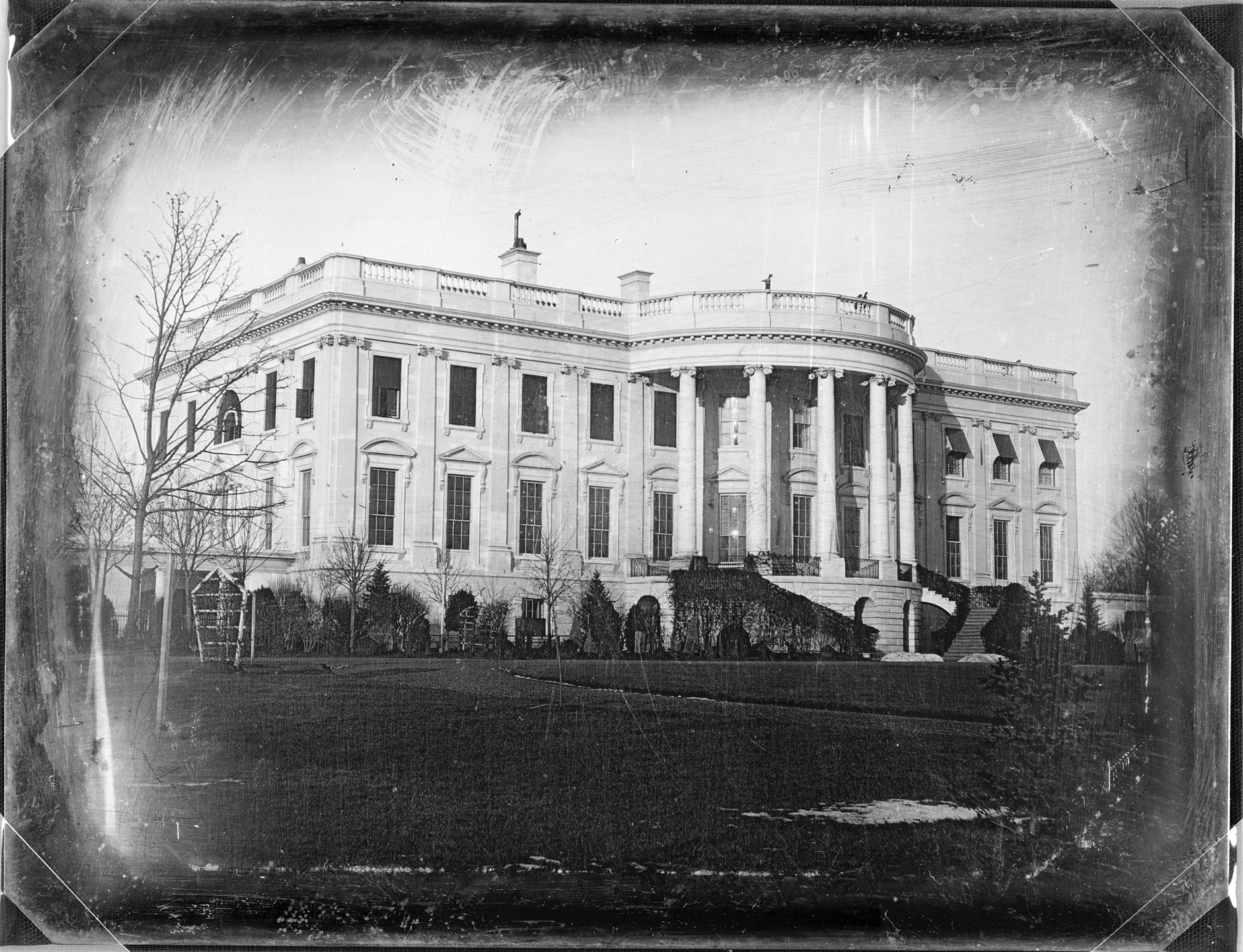
Dirty Tricks, Mudslinging, and October Surprises

Photo courtesy of Library of Congress Prints & Photographs
Professor Alex Smith joined us today to share all the details from some of the dirtiest presidential election campaigns in U.S. history. First off was the election of 1800 between John Adams and Thomas Jefferson, a pair who started out as best friends but whose friendship was spoiled by their campaigns in 1796 and the results. Until 1804, the candidate with the highest number of votes would be President, and the candidate with the second highest number of votes would become Vice President. So runner-up Thomas Jefferson had to serve as Vice President to his opposition John Adams for four years. People from both parties made outrageous claims about the opposition for the rematch in 1800--the Federalists even went so far as to claim that Thomas Jefferson had died, so a vote for him would be waste. Despite it all, Jefferson won the Presidency.

A few other interesting items:

  • In 1828, supporters of of John Quincy Adams tried to discredit Andrew Jackson by claiming he was illiterate (he did once spell Europe "Urope"). But Jackson, who is famous for saying "It is a damn poor mind that can think of only one way to spell a word," managed to win the election anyway. 
  • The 1876 race between Samuel Tilden and Rutherford B. Hayes was so close that neither party would concede. An electoral commission had to be formed and big surprise, the group of 15 men, 8 Republicans and 7 Democrats, determined Republican Rutherford B. Hayes to be the winner.
  • In the election between Grover Cleveland and James G. Blaine in 1884, despite the news of Cleveland's supposed illegitimate child, James G. Blaine lost the election due to the unfortunate events of a single day in October. He had failed to denounce the words of a preacher that spoke before him, so it was published that Republicans thought of Democrats only as "rum, Romanism, and rebellion."
  • In the 1908 race between William Jennings Bryan and William Howard Taft, Taft spent most of his time playing golf while the current President, Teddy Roosevelt, campaigned for him.

If you'd like to read up on Presidential elections, check out the library's books on the subject. Thanks so much to Alex Smith for a fascinating and colorful look at past campaigns.


Thursday, August 8, 2013

Seriously Sushi

Today at LIFE we had a real treat. A genuine sushi chef, BK,  from Simply Wonderful Sushi (our Kroger store sushi at Barker Cypress and 529 among others) came and did a dynamite sushi demonstration. Natasha was his sous chef and she gave us a brief history of sushi with some etiquette tips. Don’t point your chop sticks and don’t place them in your rice perpendicularly (this is Japanese symbol for death). When eating nigiri (a ball of rice topped by fish), dip it fish side down in the soy sauce or the rice will all break apart. Place the fish side down on your tongue so it is the first thing you taste. BK made California rolls (crab, avocado and cucumber strips) and a dragon roll (green avocado on the outside). Then he took some pre-made California rolls and dressed them up to create totally new creations. Everyone got to taste these wonderful little bites from the sea and from the mountain. Did you know sushi means rice in Japanese? We asked Natasha why sushi tends to be such big bites. She agreed that if you slice them thinner, they are easier to eat. Ask your sushi chef to slice each roll into ten or twelve pieces for easier to eat sushi. Sashimi is just the fish without the rice. BK showed himself to be quite the artist as the sushi was both a feast for the eye and for the palate. 

http://www.swsushihouse.com/

https://www.facebook.com/pages/SW-Sushihouse/248068315244675

Wednesday, July 31, 2013

Butterflies or Flutter-bies

Pipevine Swallowtail Butterfly
Photo courtesy of Megan McCarty, wikimedia.org
Butterfly enthusiast Farrar Stockton joined us today to share some fascinating details about many of the butterflies and moths that frequent our area. Here are some fun facts we learned from today's program:
  • Caterpillars usually have some kind of camouflage design on them to keep them safe from predators; for example, the Swallowtail Caterpillar looks like a bird dropping.
  • Butterflies have slender bodies, brilliant colors, fly during the day, and normally rest with their wings folded up.
  • Moths have large furry bodies, furry antennae, fly at night, and normally rest with their wings open flat.
  • The Luna Moth lays up to 150 eggs, but many times only one will survive.
  • The color on a butterfly's wing is made up of tiny scales.
  • When butterflies and moths first emerge from the chrysalis or cocoon, they have large bodies or small wings. Veins pump fluid out of the body into the wings to make them larger.
  • 5% of caterpillars are poisonous.
  • Monarch butterflies migrate from Canada to forests in the mountains of Mexico.
Also, the Cockrell Butterfly Center at the Houston Museum of Natural Science is a great place to check out tropical butterflies--one of the best in the country!

Thanks to Farrar, and also to Raymond Wells for bringing in a collection of butterflies and moths and giving us a chance to see some of these amazing creatures up close!

Spicebush Swallowtail Caterpillar
Photo courtesy of Michael Hodge, wikimedia.org
Luna Moth
Photo courtesy of Geoff Gallice, wikimedia.org
For more information, check out the Butterfly Enthusiasts of Southeast Texas: http://www.naba.org/chapters/nababest/ or the North American Butterfly Association: http://www.naba.org/  The library also has some great field guides on butterflies and moths.

Wednesday, July 24, 2013

Henna's History

The library's very own Usha Dontharaju detailed the history of Henna or Mehandi tattoos and demonstrated this beautiful art on our audience members today. The practice of creating temporary tattoos using dye prepared from the henna plant is believed to have originated in Egypt over 5000 years ago, when it was painted on pharaohs after death so they could be easily identified in the afterlife. Henna has been popular in many cultures since, both for its cooling properties and as body art. Did you know that a paste made from henna powder can also be used to condition and dye hair? Henna is also a very important part of weddings in India--usually a whole day is dedicated to the application of henna to the bride and other ladies in the wedding.

To create a paste for body art, crushed henna powder is mixed with water and a small amount of vegetable oil and then put into a cone (or even a plastic bag with the corner cut off) for application. You can create any number of designs on hands, feet or ankles. The dye dries for 2-4 hours, and once it has come off, you have a beautiful work of art in a reddish-brown color that should stay on the skin for about two weeks. Check out some of the beautiful designs below. Thanks to our wonderful artists, Usha, Krissy, and Linda!


Wednesday, July 17, 2013

Birding Our Area

Birdwatcher Jeff Mohamed joined us today to describe some of the birds that can be found in our own backyard. Texas has a lot of birds - 680 species, with the United States having about 985. Our Lone Star-CyFair campus alone has spotted 169 species. People come from all over the world to Texas just to see the birds. It's a big industry here in Texas. And we have so many habitats: prairie, piney woods, marshes, beaches, and urban spaces for our feathered friends. We also are so close to Mexico and on migration paths "fly ways" of birds up from South America and down from Canada and Alaska.

Jeff explained that we have some birds we see year round and others are migrants who come and go. He showed us a slide show of local birds that he actually saw and photographed. His favorite haunts to spot birds here in Harris County are as follows: Kleb Woods Park, Katie Prairie, Paul Rushing Chain-of-Lakes Park, Warren Ranch Lake, Bear Creek Park, the Brazos Bend State Park (alligators, too), the Baytown Nature Center, Carpenter's Bayou, Sheldon Lake Environmental Center, Rookery at Smith Oaks and the Anahuac National Wildlife Refuge. The college pylons and buildings are also homes to many local birds.

Did you know the bald eagle is so lazy that he steals his fish if he can? Benjamin Franklin didn't like this character trait and preferred the industrious wild turkey for our national bird. But the mighty bald eagle won out.

Check out Jeff's wonderful birding blog: www.jeffincypress.blogspot.com  
And learn more information about birds in our area at the Audubon Society: www.houstonaudubon.org